


Candidate instuctions
Patient: Adam is a 16 year old male patient presented to A&E with vomiting and abdominal pain
Task:
– This is a data interpretation station. You will be presented information by the examiner

Note to actor
| Mark sheet | 😊 | 😃 |
|---|---|---|
| Adam has a blood pressure of 110/70, respiratory rate of 35 and is apyrexial. Given the history which investigations would you like to order? | 2 | 4 |
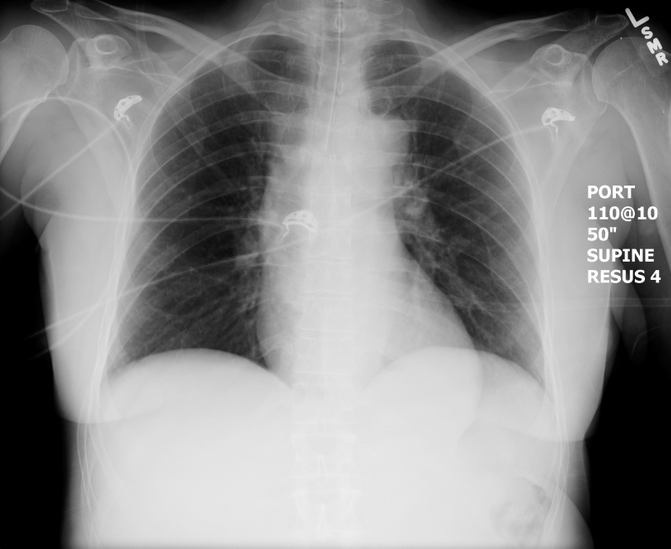 Review the following imaging and comment on your findings |
2 | 4 |
Pass
Fail
Your percentage
Average user score for this station
Station pass mark
Feedback
Recognising the clinical pattern
- Vomiting and abdominal pain with a respiratory rate of 35 should prompt an early bedside glucose and blood ketone measurement. DKA can resemble an acute abdominal illness; the rapid breathing may be compensation for metabolic acidosis rather than primary lung disease.
- A glucose of 35 mmol/L together with metabolic acidosis makes DKA the leading diagnosis. Confirm the missing part of the diagnostic triad—ketonaemia—with blood ketones. Ask about thirst, polyuria, weight loss, known diabetes and missed insulin, while looking for a precipitating illness.
- Gastroenteritis and appendicitis remain alternatives or possible coexisting problems. Persistent focal tenderness or abdominal pain that does not improve as the acidosis resolves warrants reassessment rather than attribution to DKA alone.
Interpreting the investigations
- Blood gas: pH 7.26 indicates acidaemia, and bicarbonate 12 mmol/L identifies a metabolic acidosis. The reduced pCO₂ of 4.0 kPa indicates respiratory compensation, linking the gas to the tachypnoea. Oxygenation is preserved on room air. A venous gas is usually suitable for assessing and following DKA acidosis; an arterial sample is useful when arterial oxygenation needs assessment.
- Blood tests: urea 15.5 and creatinine 145 are raised, supporting dehydration and possible pre-renal acute kidney injury; baseline renal function and urine output help establish this. Potassium is normal at 4.4 mmol/L, not low. Nevertheless, total-body potassium is usually depleted in DKA, and serum potassium can fall rapidly during treatment. The FBC is within the supplied reference ranges, but this does not exclude infection.
- ECG and chest radiograph: the ECG shows sinus tachycardia, consistent with physiological stress and volume depletion. The supplied chest film is labelled portable and supine: the trachea is central, the lungs are clear, the cardiac silhouette is not enlarged and the costophrenic angles are clear, with no acute cardiopulmonary abnormality evident. Chest imaging can help identify a respiratory precipitant when clinically suspected; a supine film is less sensitive than an erect film for free subdiaphragmatic gas.
Initial management: fluids, potassium and insulin
- Assess ABCDE, obtain IV access and involve a senior clinician and the diabetes team early. At age 16, establish which local adolescent DKA pathway the responsible team uses; fluid calculations and insulin timing should follow that pathway rather than automatically applying an adult regimen.
- Begin carefully prescribed IV isotonic fluid replacement to restore circulating volume and renal perfusion. Check weight, hydration, electrolytes, renal function and urine output, and reassess frequently. A preserved blood pressure does not exclude substantial dehydration.
- Use a fixed-rate IV insulin infusion according to the agreed pathway to suppress ketone production, with potassium replacement guided by serial results and renal function. Significant hypokalaemia requires correction and senior review before insulin proceeds. Add glucose-containing fluid when indicated so insulin can continue clearing ketones without causing hypoglycaemia.
Monitoring recovery and recognising deterioration
- Monitor bedside glucose and ketones frequently, alongside repeat gases, electrolytes, fluid balance, observations and neurological status. Improvement means falling ketones, rising pH and bicarbonate, improving perfusion and renal function, and settling vomiting and tachypnoea—not simply a lower glucose.
- Falling glucose does not mean DKA has resolved. Continue treatment until biochemical resolution and clinical recovery meet the local pathway criteria, with a planned transition to subcutaneous insulin.
- Seek urgent senior help for worsening acidosis or failure of ketones to fall, falling potassium, arrhythmia, oliguria or haemodynamic deterioration. In this adolescent, new headache, altered behaviour, reduced consciousness or bradycardia should raise concern for cerebral injury and trigger immediate emergency assessment and treatment.
User is not logged in.